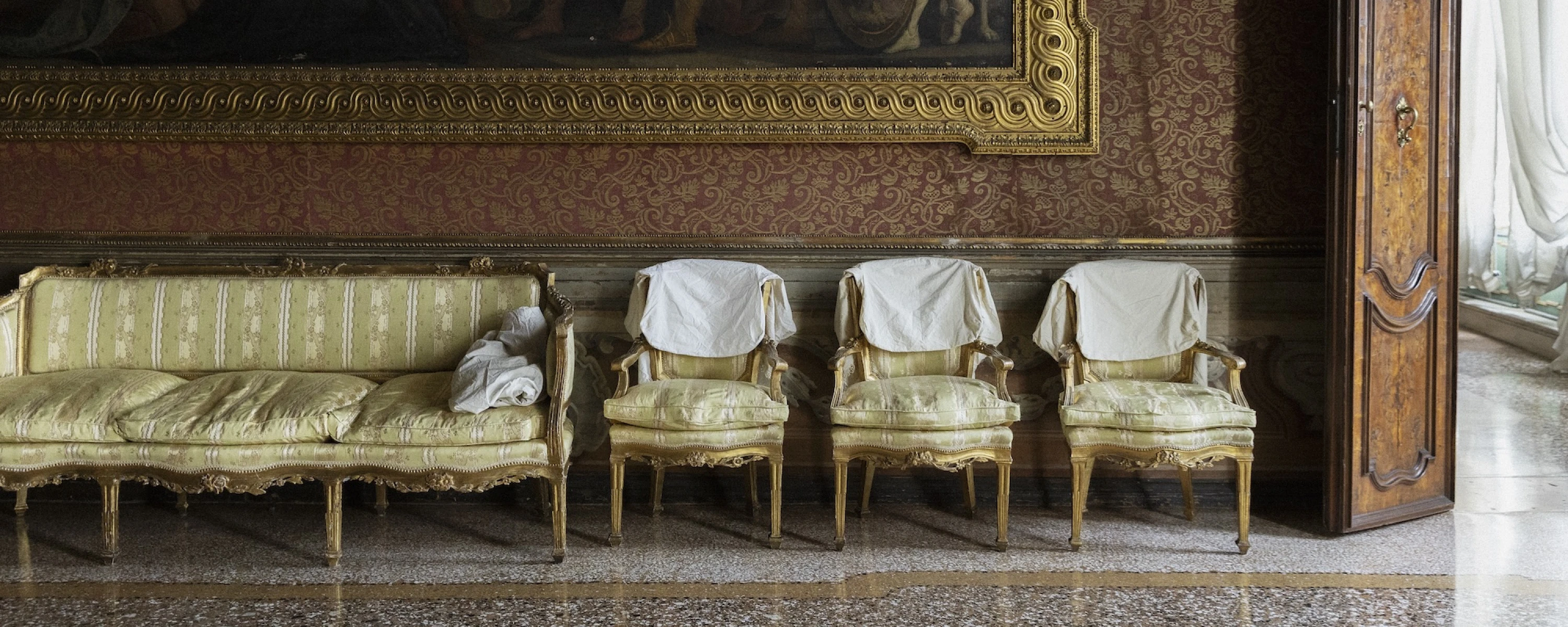
The Palace’s golden age began in 1629 when it was acquired by the Pisani Moretta family. This powerful dynasty produced legendary figures such as Vettor Pisani, the beloved naval commander who secured Venice's victory in the War of Chioggia. Initially used as a rental property, the Palazzo became the family’s main residence in the early 18th century.
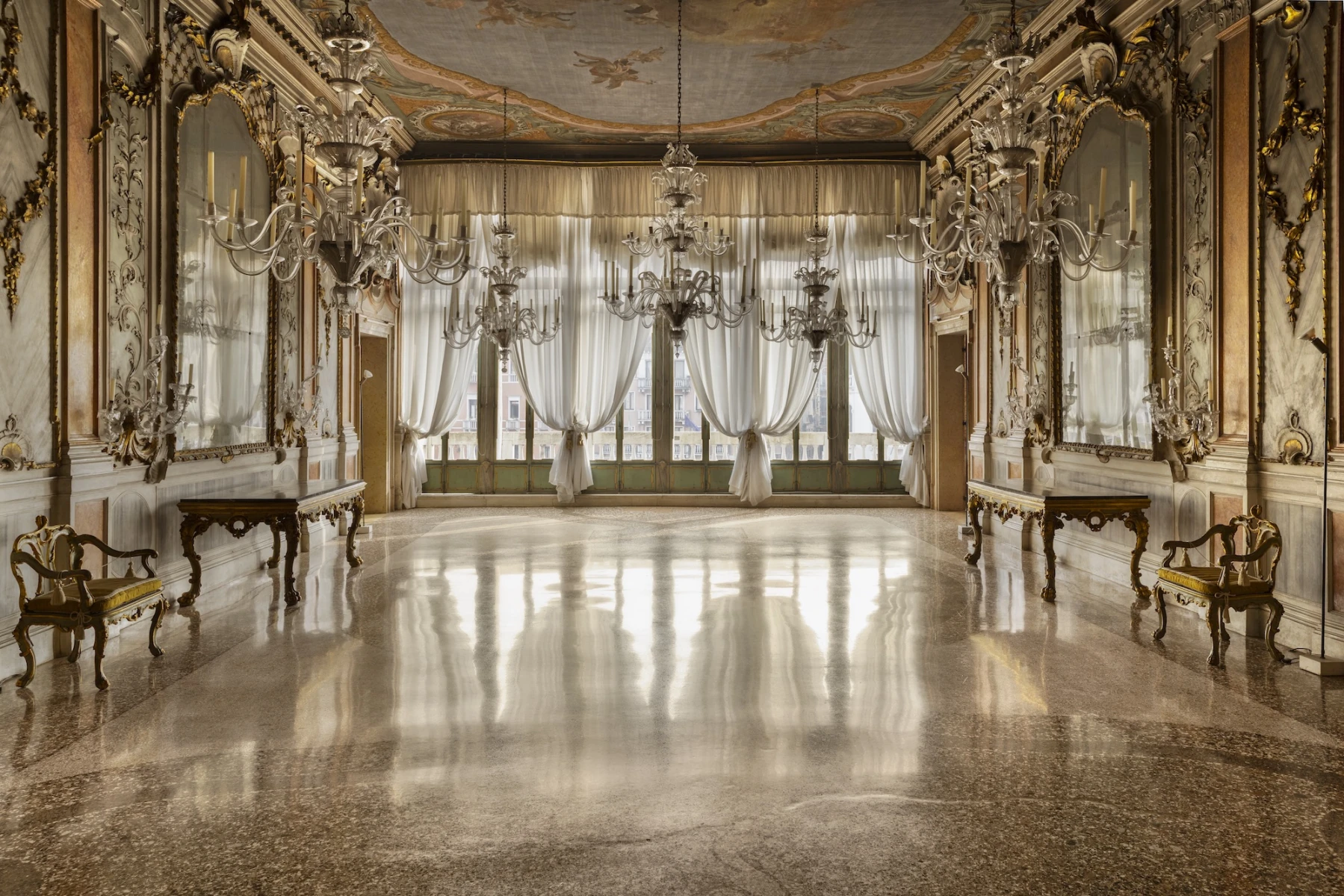
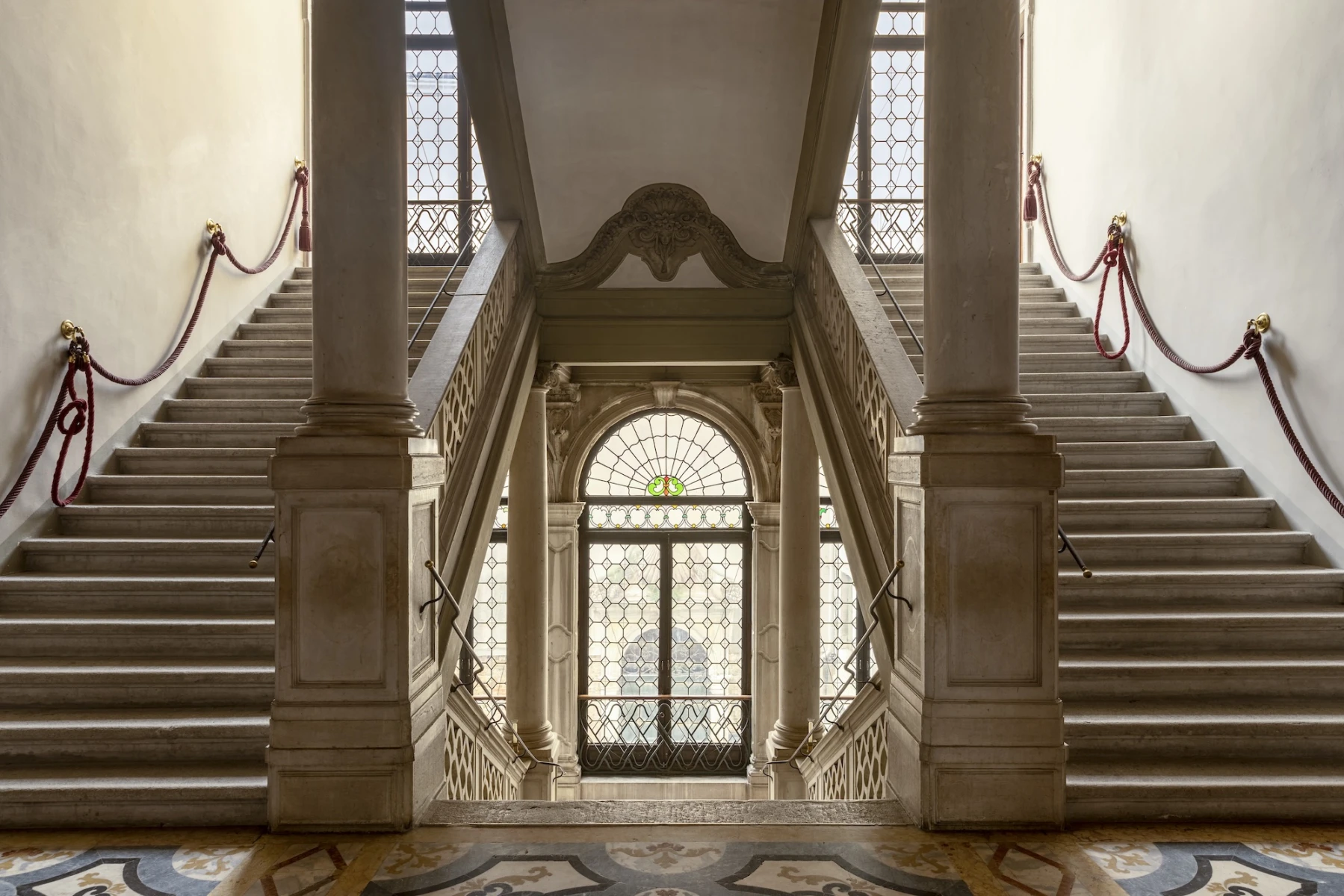
The building we see today is defined by a remarkably coherent Rococo transformation led in the 1740s by Chiara Pisani. Inheriting a vast fortune as a young widow, Chiara undertook a radical renovation to reflect the family's prestige. She replaced the original external Gothic staircase with a monumental internal grand staircase supported by twelve columns of white marble and Istrian stone.
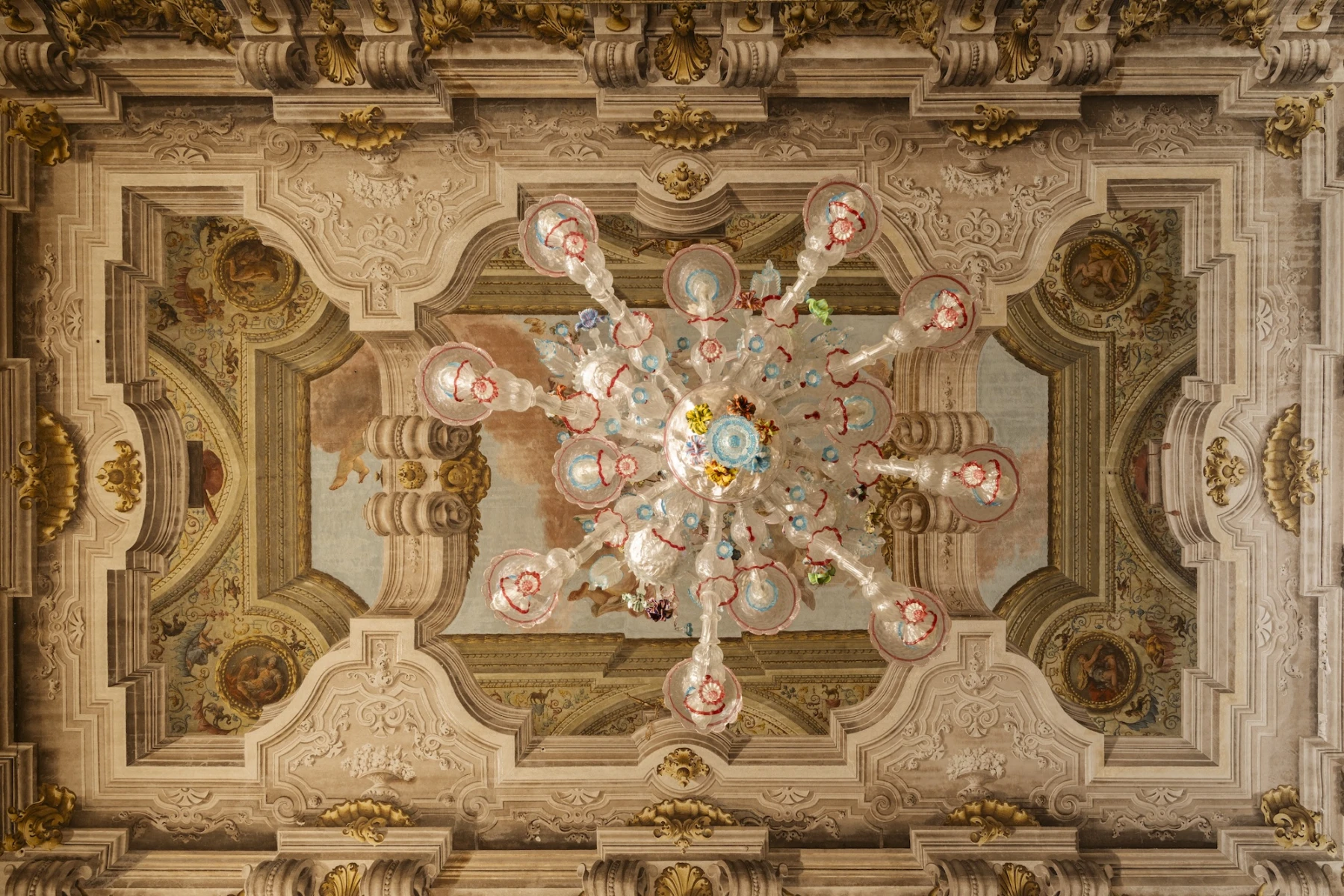
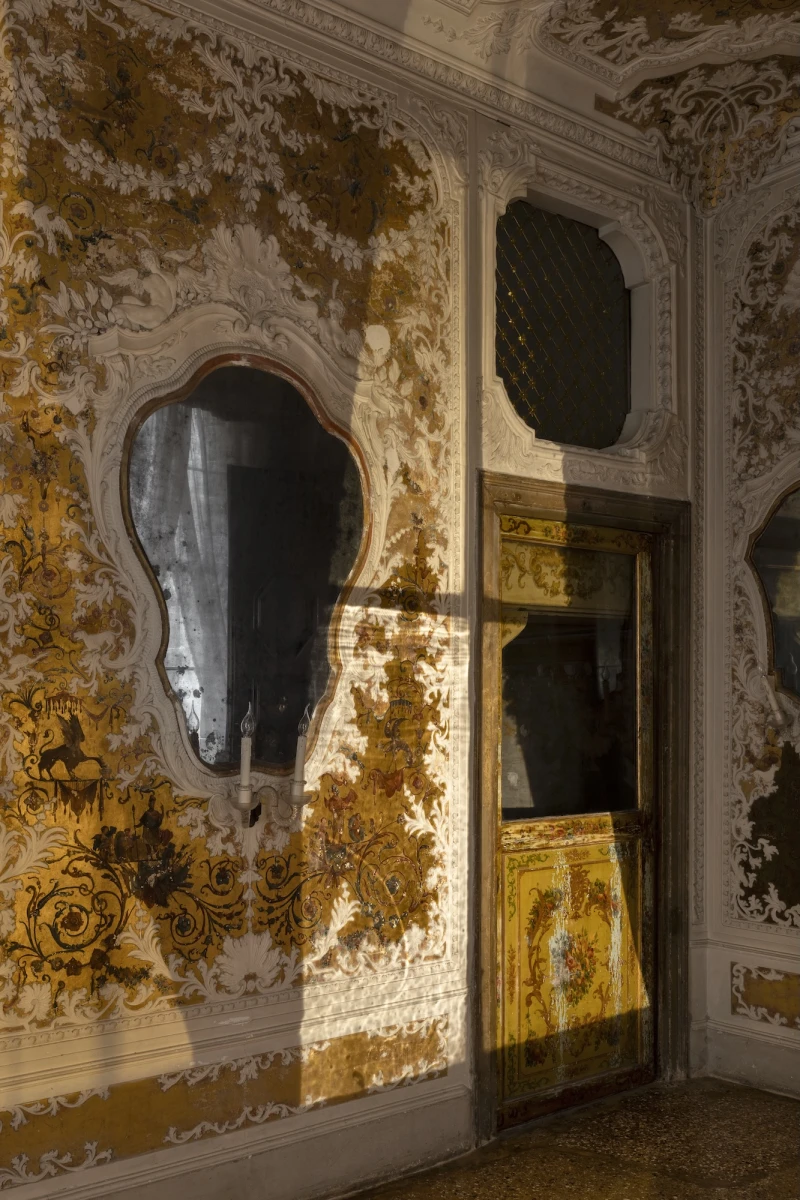
Chiara reimagined the interiors with a clear, light vision, commissioning the era’s greatest masters. She engaged Giambattista Tiepolo to fresco the ceiling of the Piano Nobile with Venere Presenta Enea Agli Dei dell’Olimpo, an explicit celebration of her heroic ancestor. Her stewardship extended to every corner of the house, from the refined "Camerino D’Oro" with its white-and-gold stucco, to the masterpieces of Francesco Zanchi and Giuseppe Ferrari, crowned by the celestial ceilings by Giuseppe Angeli. Chiara further curated the interiors by commissioning two of the era’s most celebrated virtuosos, Gaspare Diziani and Jacopo Guarana, to adorn some of the remaining rooms. Over the centuries, these rooms have hosted illustrious guests, from Tsar Paul of Russia to Joséphine Bonaparte.
Today, Fondazione Dries Van Noten embraces this extraordinary heritage, revitalizing the Palazzo into a living laboratory for contemporary dialogue. At Palazzo Pisani Moretta, history is not a static relic but a vibrant field of possibility. By dissolving traditional boundaries between disciplines – from art and design to music and performance – the Fondazione creates a platform where tradition and innovation meet, ensuring that the spirit of Venetian mastery continues to evolve and inspire the world.